
What Makes a Psychedelic Truly Therapeutic?

President & CEO ATMA CENA Psychedelic Healthcare Solutions Inc. and passionate RN who advocates for better access to mental health supports.
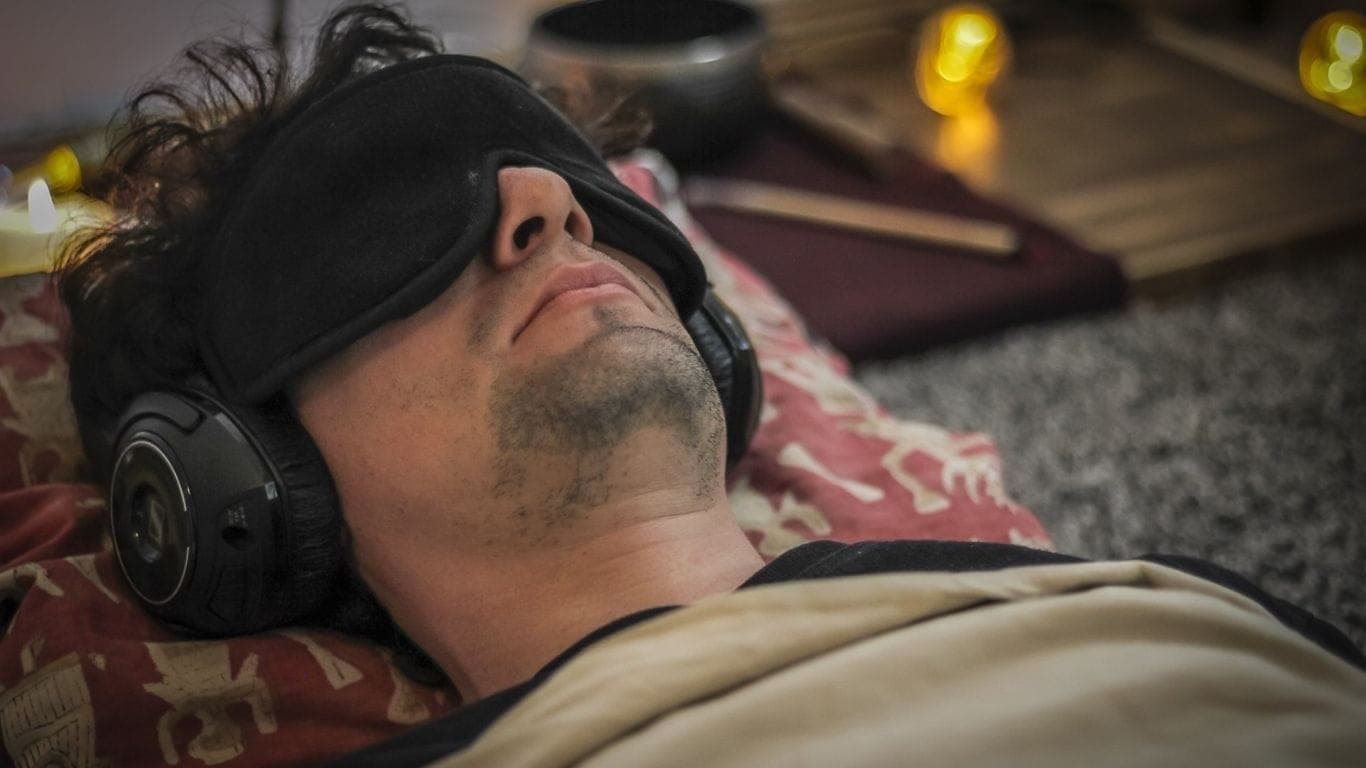
“Which psychedelic is the best for healing?” It’s one of the first questions people ask when they start looking into this kind of therapy. And the honest answer is — it depends!
Different compounds work in different ways, and what’s most helpful for one person might not be the right fit for another. So instead of picking a single “winner,” it’s much more useful to understand what actually makes any psychedelic genuinely therapeutic in the first place.
A Quick Tour of the Main Types
Researchers generally group therapeutic psychedelics into a few main categories:
- Classic psychedelics: Often found naturally in certain plants and fungi, these compounds shift how we think, feel, and perceive. They’ve been studied extensively for depression, anxiety, addiction, and end-of-life distress — and they’re among the most carefully researched in the field.
- Empathogens: This group helps open up emotional connection — to ourselves and to others. Because they can create the sense of safety needed to approach painful memories, they’ve shown especially promising results in trauma therapy.
- Dissociative compounds: Originally developed as anesthetics, some of these are now being used in clinical settings to support people with hard-to-treat depression. They work through a different pathway in the brain than classic psychedelics.
So What Actually Makes a Compound “Therapeutic”?
Putting labels aside, a few things really determine whether a psychedelic is clinically useful: Does it help the brain become more flexible and emotionally open? Is it safe enough to be used in a supervised setting? Does it fit into a reasonable session length? And — most importantly — does the research support its use for a specific condition?
These are the questions thoughtful practitioners ask when matching the right approach to the right person.
Different Tools for Different Journeys
One of the clearest lessons from recent research is that there’s no one-size-fits-all answer. Classic psychedelics tend to shine when it comes to depression, anxiety, addiction, and existential distress. Empathogens have shown deep healing potential in trauma work. Dissociatives have found their place in treating stubborn depression. Practitioners at ATMA CENA in Edmonton, Calgary, and across Canada are increasingly using this kind of personalized approach to guide their care.
The Compound Is Only Part of the Story
Whatever molecule is used, the real heart of good psychedelic therapy is the relationship and the setting. A well-prepared client, a skilled and caring practitioner, and a thoughtfully held space together create the real healing environment. The medicine opens the door. The therapy is what helps you walk through it.
Curious about which approach might be right for you? Explore ATMA CENA’s psychedelic therapy services at atmacena.com/psychedelic-assisted-therapy.

About the author
Reverdi Darda, RN, BScN — CEO & Founder, ATMA CENA
Reverdi Darda, RN is CEO & Founder of ATMA CENA and a Registered Nurse with over three decades of experience in healthcare operations, community engagement, policy development, and strategic planning. A recognized leader in mental health access, Reverdi has dedicated her career to advancing evidence-based treatment models and advocating for policy change that prioritizes effective care. She founded ATMA CENA to expand practitioner and public access to psychedelic-assisted therapy across Canada.
Find care near you
Explore ATMA CENA locations across Canada.
- Ketamine Therapy Edmonton
- Ketamine Therapy Calgary
- Ketamine Therapy Hamilton
- Ketamine Therapy Kitchener-Waterloo
- Ketamine Therapy London
- Ketamine Therapy Mississauga
- Ketamine Therapy Montreal
- Ketamine Therapy North Bay
- Ketamine Therapy Sarnia
- Ketamine Therapy Saskatoon
- Ketamine Therapy Vaughan
- Ketamine Therapy Windsor
- Ketamine Therapy Winnipeg