Psychedelic-Assisted Therapy
Evidence-based and emerging approaches to mental health care
New to this therapy?
Please read these client considerations to reflect on as you book your info call.
Is Psychedelic-Assisted Therapy right for you?
Medically supervised treatments may be considered when navigating symptoms related to:
- Treatment-resistant depression
- Post-traumatic stress disorder (PTSD)
- Anxiety or panic disorders
- Substance use challenges
- Chronic pain
- Obsessive-compulsive patterns
- Other complex or persistent mental health conditions

Why clients are exploring innovative mental-health care
Physician-supervised medical treatments for depression and anxiety combine medicine and psychotherapy in a structured approach designed to support individuals navigating complex mental health challenges.
At our clinics, psychedelic-assisted therapy is delivered by a multidisciplinary team in a safe, supportive, and professional environment. Every client receives a tailored care plan that includes screening, preparation, medicine sessions, and integration — all designed to help insights gained in session be thoughtfully processed and applied in everyday life.
Your journey to healing
Information Call
Begin with a conversation to understand your needs and determine how our services can best support your healing journey.
Psychiatric Assessment
Engage in a comprehensive intake assessment — a discovery call — to ensure our programs align with your therapeutic goals. This is your readiness evaluation.
Treatment Plan
Collaborate with your dedicated medical team to choose or create your treatment plan, exploring the options that best support your path to wellness.
Preparation & Intention Setting
Before any medicine sessions, we provide structured preparation with a therapist. This step helps you understand what to expect and approach the process with clarity and support.
Medicine Sessions (Psychedelic-Assisted Therapy)
For eligible clients, we offer psychedelic-assisted therapy in accordance with Health Canada regulations. Different session formats are available depending on individual needs. All sessions are:
- Conducted in a licensed clinical setting
- Supervised by qualified medical staff
- Supported by trained therapists when appropriate
Integration Sessions
Work with your therapist to process and integrate your experiences, converting insights into meaningful change to support the longer-term benefits of your treatment.
Ongoing Care & Optional Follow-Up
Clients may choose to continue with additional services such as psychotherapy, coaching, or wellness programming. Any future care is determined in consultation with your clinical team.
Exploring the two modes of medicine delivery

Psychedelic (Low Dose)
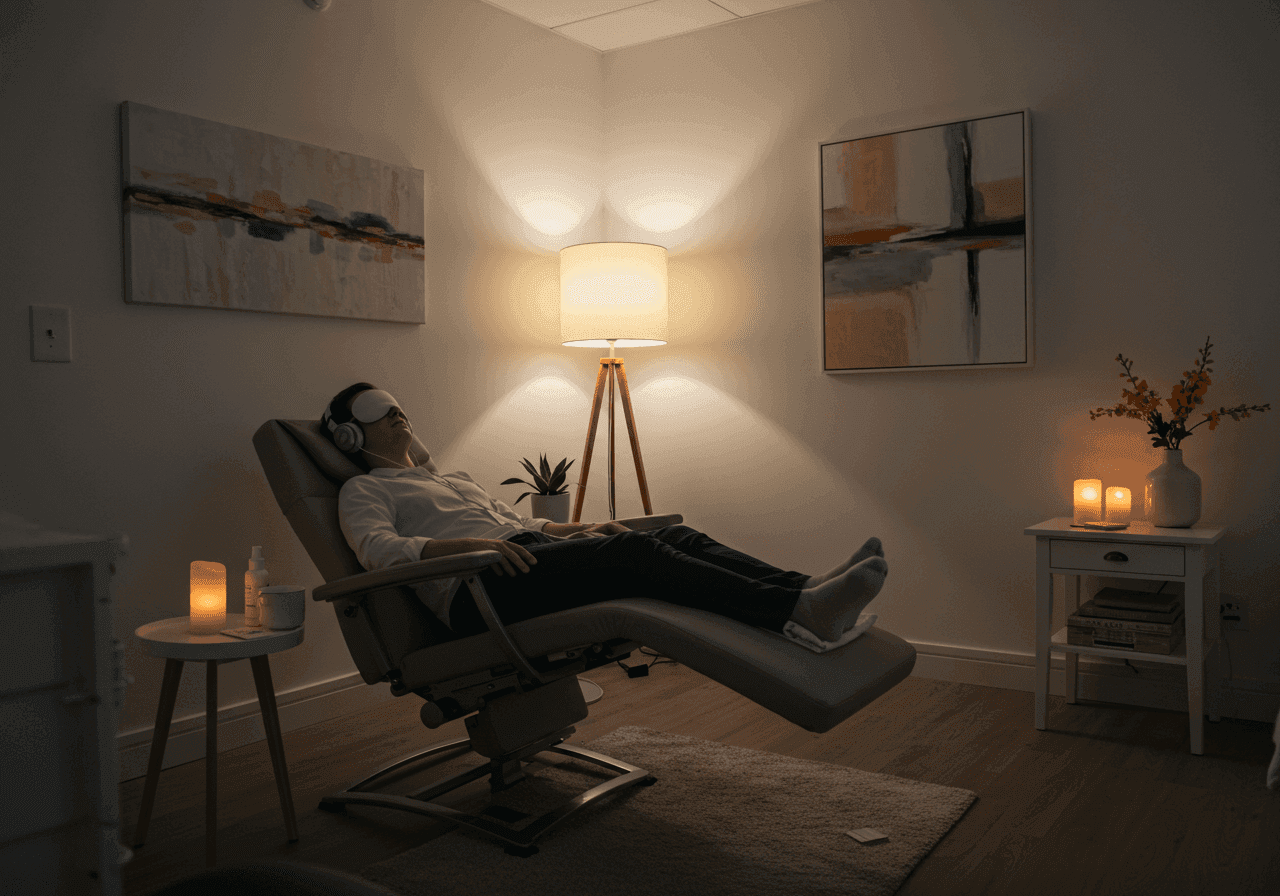
A psychedelic dose involves intramuscular or oral administration and is intended to support a non-ordinary state of consciousness. During sessions, clients typically recline with eye shades and listen to curated music while the medicine creates conditions that may support altered self-awareness and emotional insight — creating space for reflection from a different internal vantage point.
Psycholytic (Lower Dose)
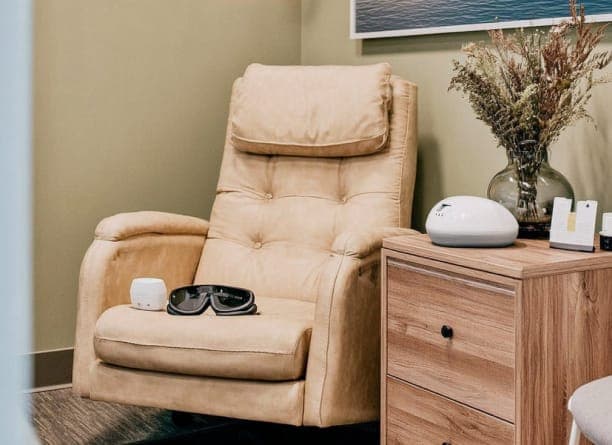
A psycholytic dose involves a lower amount, usually taken orally or sublingually. This approach allows for a mild non-ordinary state while staying oriented enough to engage with a therapist in real time. It may help reduce psychological defences, creating opportunities to explore and process emotional material that can feel difficult to access through traditional talk therapy alone.

Payment Plans and Financing Available
Book an Info Call to get clarity on costs, coverage, and next steps. We work with WCB and other extended health benefit plans, and offer flexible payment plans and financing options to help make your care accessible.
Combining Psychedelic-Assisted Therapy & rTMS
Pairing Psychedelic-Assisted Therapy with Repetitive Transcranial Magnetic Stimulation (rTMS) is an area of growing interest. Early studies suggest the two approaches may be complementary.
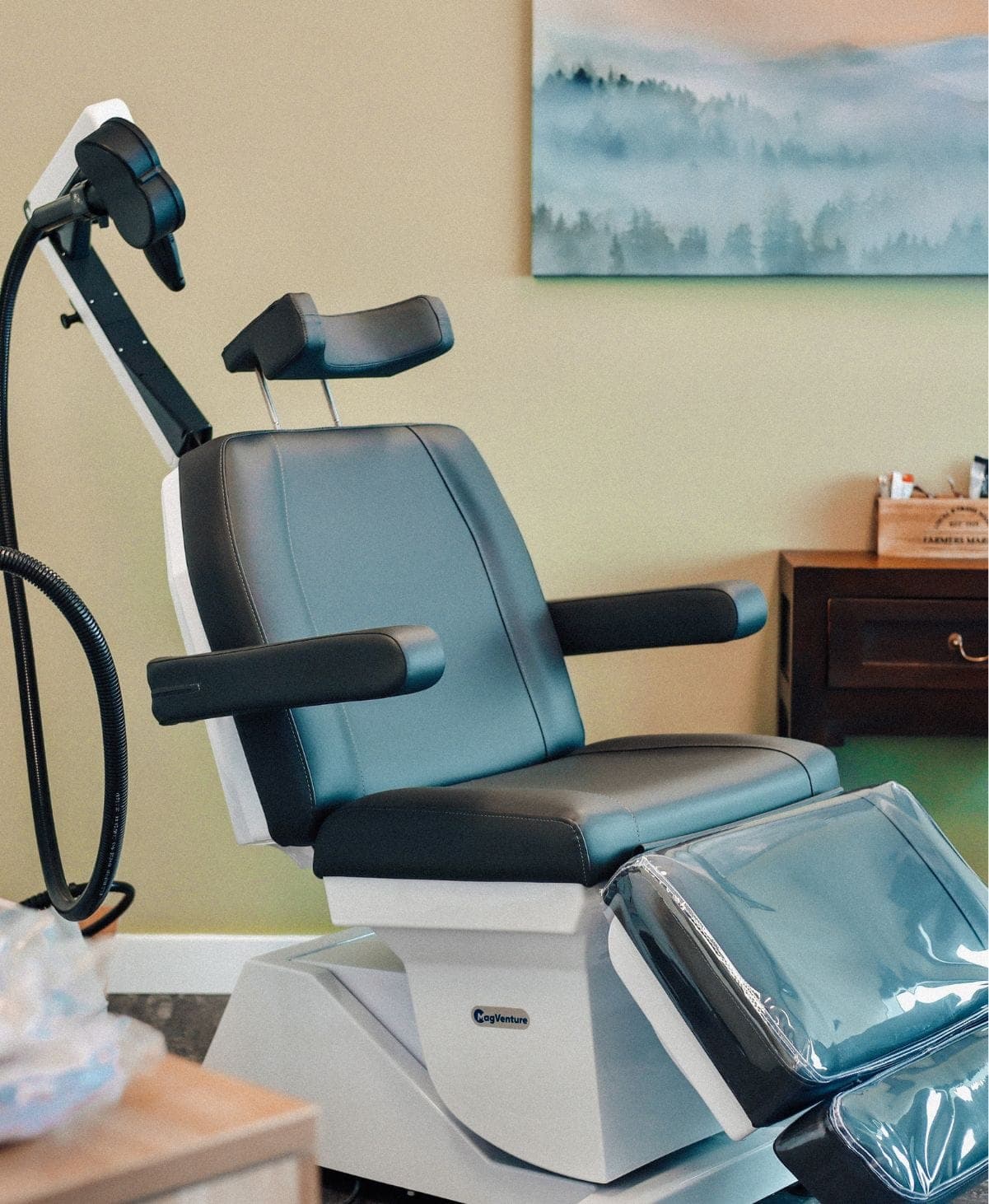
rTMS is a non-invasive procedure that uses magnetic fields to stimulate nerve cells in the brain. It is often used for treatment-resistant depression and may help modulate brain activity.
Some of the potential benefits of combining the two include:
- Complementary effects: the effects of Psychedelic-Assisted Therapy may complement the longer-term benefits of rTMS.
- Neuroplasticity: psychedelic therapy may help prime the brain to engage with rTMS, supporting neuroplasticity.
- A comprehensive approach: addressing both chemical and neural-pathway aspects of mental health may support more holistic care.
Initial results are promising, but further research is needed to fully understand the benefits and any risks of combining these therapies. Suitability is determined with your care team.